


Understanding the Duration of Teeth Whitening Procedures
Teeth whitening has become a popular cosmetic dental procedure, providing individuals with brighter, whiter smiles. The duration of a teeth whitening dental procedure can vary based on the method employed and the specific needs of the patient. In this comprehensive guide, we explore the various teeth whitening procedures and their respective timeframes to help individuals make informed decisions about enhancing the appearance of their smiles.
Factors Influencing the Duration
Several factors contribute to the overall duration of a teeth whitening procedure. These include:
- Method of Whitening:
- Different teeth whitening methods, such as in-office professional treatments, at-home kits, over-the-counter products, and custom-fitted trays, have varying application times and recommended durations.
- Extent of Discolouration:
- The severity of tooth discolouration influences the time required for effective whitening. Stubborn or deep stains may necessitate longer treatment periods.
- Treatment Intensity:
- Professional in-office treatments often involve higher concentrations of bleaching agents and may be completed in a shorter timeframe compared to at-home treatments.

- Professional in-office treatments often involve higher concentrations of bleaching agents and may be completed in a shorter timeframe compared to at-home treatments.
- Individual Responsiveness:
- The responsiveness of teeth to the whitening agents varies among individuals. Some may achieve desired results more quickly than others.

Common Teeth Whitening Procedures and Durations
1. In-Office Professional Teeth Whitening:
- Duration: Approximately 60 to 90 minutes.
- Description: This fast and effective method involves the application of a high-concentration bleaching gel, often activated with a special light or laser.
2. At-Home Professional Teeth Whitening Kits:
- Duration: Daily treatments for several days to weeks, with each session lasting 30 minutes to one hour.
- Description: Custom-fitted trays are provided for at-home use, allowing individuals to apply a professional-grade whitening gel.
3. Over-the-Counter Whitening Products:
- Duration: Daily application over weeks or months, with session times varying from 5 minutes to 30 minutes.
- Description: Whitening strips, gels, and toothpaste available over the counter offer convenience for gradual, at-home use.
4. Custom-Fitted Whitening Trays:
- Duration: Daily use for 30 minutes to a few hours over a recommended period.
- Description: Dentist-provided trays with a customised fit enable consistent and controlled application of whitening gel.
5. In-Office Power Bleaching:
- Duration: Completed in a single session lasting about 45 to 60 minutes.
- Description: This accelerated in-office procedure involves the application of a highly concentrated bleaching agent.
6. Laser Teeth Whitening:
- Duration: Approximately 30 minutes to one hour.
- Description: A bleaching gel is applied, and the activation is performed with a laser for efficient and quick results.
Considerations for Optimal Results
- Consistency is Key:
- Adhering to the recommended treatment schedule and application times is crucial for achieving optimal whitening results.
- Individualised Approach:
- The choice of a whitening method should be tailored to individual preferences, lifestyle, and the desired level of whitening.
- Professional Guidance:
- Consulting with a dentist ensures a personalised approach, taking into account oral health, existing dental work, and potential sensitivity.
Frequently Asked Questions About Teeth Whitening Dental Procedure
- How long does it take to see results from an in-office professional teeth whitening session?
- Answer: Many individuals notice immediate results after a single in-office treatment, with the full impact becoming evident over the following days.
- Are at-home professional teeth whitening kits as effective as in-office treatments?
- Answer: At-home professional kits can be effective but may require more time for noticeable results compared to the faster outcomes of in-office treatments.
- Can over-the-counter whitening products remove deep stains effectively?
- Answer: Over-the-counter products are designed for mild to moderate stains; deep stains may require professional intervention for optimal results.
- Is teeth whitening safe for individuals with sensitive teeth?
- Answer: While some sensitivity is normal, individuals with heightened sensitivity should consult their dentist for appropriate recommendations and adjustments.
- How often can I repeat teeth whitening treatments?
- Answer: The frequency of teeth whitening depends on the method used. In-office treatments may not need frequent repetition, while at-home methods may be done periodically.
- Do whitening toothpaste and mouthwash provide noticeable results?
- Answer: Whitening toothpaste and mouthwash can help maintain results and remove surface stains, but they may not provide significant whitening on their own.
- Are there age restrictions for teeth whitening procedures?
- Answer: Teeth whitening is generally safe for adults. However, it is not recommended for children and teenagers, and individual assessments are essential.
- Answer: Teeth whitening is generally safe for adults. However, it is not recommended for children and teenagers, and individual assessments are essential.
- Can teeth whitening be done during pregnancy?
- Answer: Pregnant individuals are advised to consult with their healthcare provider before undergoing teeth whitening, and it’s often postponed until after pregnancy.
- What are the common causes of tooth discolouration that may not respond well to whitening?
- Answer: Certain types of intrinsic stains, such as those caused by certain medications or trauma, may not respond as effectively to traditional whitening methods.
- Is it normal to experience sensitivity after teeth whitening, and how long does it last?
- Answer: Mild sensitivity is common and usually temporary. It typically subsides within a few days after the completion of the whitening treatment.
- Can teeth whitening be done on crowns, veneers, or other dental restorations?
- Answer: Whitening agents primarily affect natural teeth. Dental restorations may need replacement if their colour no longer matches the newly whitened teeth.
- Do lifestyle factors, such as smoking or drinking coffee, impact the longevity of teeth whitening results?
- Answer: Yes, lifestyle choices can affect the duration of whitening results. Avoiding stain-producing habits helps maintain a brighter smile.
- Can I whiten my teeth if I have braces or other orthodontic appliances?
- Answer: Whitening is generally not recommended during orthodontic treatment, as it may result in uneven colouration. Consult with your orthodontist for guidance.
- What role does genetics play in the effectiveness of teeth whitening?
- Answer: Genetic factors can influence tooth colour, but teeth whitening can still provide improvements. Results vary among individuals.
- Are there natural remedies for teeth whitening, and do they work?
- Answer: Some natural remedies, like baking soda or activated charcoal, may have mild whitening effects, but their safety and efficacy vary. Professional methods are generally more reliable.
- Can poor oral hygiene affect the success of teeth whitening treatments?
- Answer: Yes, maintaining good oral hygiene is essential for successful and lasting whitening results. Regular brushing and flossing contribute to overall oral health.
- Is it possible to over-whiten teeth, leading to unnatural results?
- Answer: While rare, over-whitening can lead to unnatural results or increased sensitivity. Following recommended guidelines and consulting with a dentist helps prevent overuse.
- Can teeth whitening improve the appearance of fluorosis stains?
- Answer: Mild fluorosis stains may respond to teeth whitening, but severe cases may require other cosmetic procedures. Consultation with a dentist is recommended.
- Does the method of application, such as trays or strips, impact the uniformity of whitening results?
- Answer: The method of application can influence the uniformity of results. Custom-fitted trays often provide more even whitening compared to strips.
- Can teeth whitening address discoloration caused by tetracycline antibiotics?
- Answer: Tetracycline stains can be challenging to whiten. In such cases, alternative cosmetic treatments like veneers may be considered for optimal results.
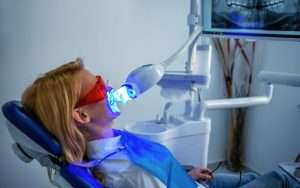
The duration of a teeth whitening dental procedure depends on various factors, and individuals can choose from a range of methods based on their preferences and needs. Whether opting for a quick in-office treatment or a gradual at-home approach, achieving a brighter smile is attainable with the right whitening strategy. Consulting with a dental professional is advised to determine the most suitable method and duration for individual circumstances. By understanding the nuances of each whitening procedure, individuals can embark on their journey to a more radiant and confident smile.
Why Choose Tooth Doctor for Dental Bridges?
 Choosing Tooth Doctor for your dental bridge needs comes with several compelling benefits, including our commitment to providing top-tier care and a personalised experience.
- Expertise and Experience: Our dental professionals are highly skilled and experienced in dental bridge procedures. With our expertise, you can trust that your dental bridge will be crafted and placed with precision.
- Customised Solutions: We understand that every patient is unique, and your dental needs are no exception. Our approach to dental bridges is tailored to your specific requirements, ensuring a personalised treatment plan that aligns with your goals.
- Cutting-Edge Technology: Our dental practices are equipped with state-of-the-art technology, allowing for precise diagnostics, treatment planning, and bridge fabrication. We stay at the forefront of dental advancements to provide you with the best possible care.
- Three Convenient Locations: Tooth Doctor has three conveniently located offices in Basildon, Thurrock, and Stanford-le-Hope of Essex and Thurrock. This means you can access our expert dental services with ease, no matter where you are in the region.
- Comprehensive Consultations: We believe in transparent communication and thorough consultations. We take the time to discuss your concerns, explain treatment options, and answer your questions, so you can make informed decisions about your dental bridge.
- Affordable Options: We understand the importance of affordability when it comes to dental bridges. We offer competitive pricing, with bridges starting at just £750 per unit. Our flexible payment plans and 0% finance options make it easier for you to access the dental care you need while staying within your budget.
- Patient-Centric Care: Your comfort and well-being are our top priorities. We create a welcoming and supportive environment to ease any anxiety or concerns you may have, ensuring a stress-free experience.
- Post-Bridge Care: Our commitment extends beyond the bridge placement. We provide guidance on post-bridge care and regular follow-up appointments to ensure the long-term success of your dental bridge.
- Proven Results: Tooth Doctor has a history of delivering outstanding results, helping numerous patients regain their smiles and oral function with dental bridges.